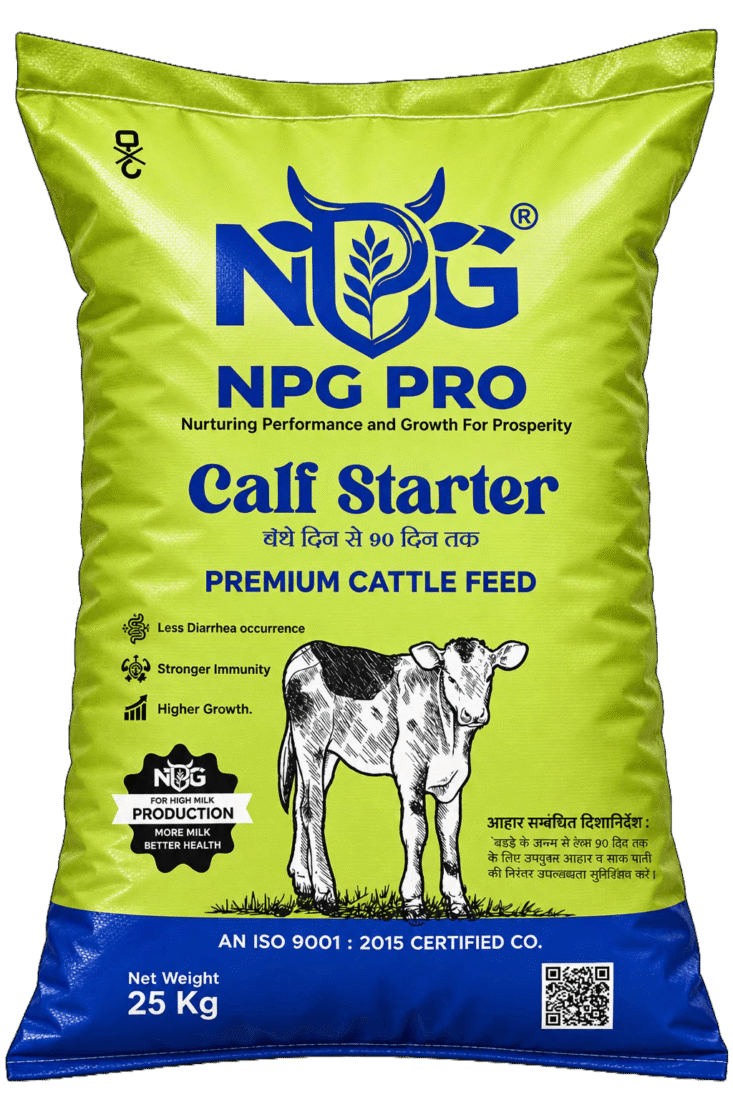
Non-milking feed
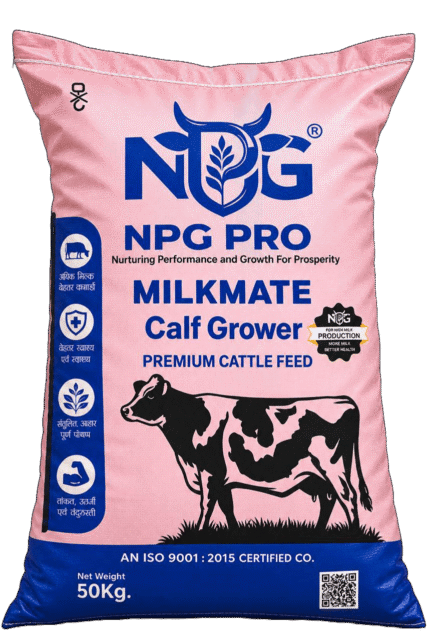
CALF STARTER
A strong nutritional start for early rumen and body development
Product overview
CALF STARTER is a concentrated blend of grains, quality protein sources, vitamins and minerals for young dairy calves. Early access to a fresh, palatable starter and clean water encourages fermentation and rumen development, preparing the calf for a smooth transition away from milk.
Suitable for
Young calves from about 2 weeks of age through the pre-weaning and early post-weaning stage
Key benefits
- Encourages early starter intake
- Supports rumen papillae development
- Promotes bone and muscle growth
- Supports timely, safe weaning
Typical nutritional specifications
| Crude Protein | 23-26% minimum |
|---|---|
| Crude Fat | 4% minimum |
| Crude Fibre | 7% maximum |
| TDN | 75% minimum |
| Moisture | 11% maximum |
| Calcium and Phosphorus | 0.5% each minimum |
| Form | 3 mm micro-pellets or coarse mash |
| Safety | No urea or non-protein nitrogen |
Recommended feeding
- Days 4-14: offer a small fresh handful, about 50-100 g, without forcing intake.
- Weeks 3-4: gradually increase to about 200-250 g daily.
- Weeks 5-8: offer roughly 400-800 g daily as milk is reduced.
- Weeks 9-12: increase toward 800 g-1.2 kg daily during weaning.
- After weaning up to 6 months: intake may rise to about 1.5-2 kg daily before transition to grower feed.
Feeding and management guidance
- Offer fresh starter daily in a clean, dry trough.
- Discard wet, stale or sour feed.
- Keep clean drinking water available from the beginning; water is essential for rumen fermentation.
- Wean only when the calf consistently consumes about 0.8-1 kg starter daily for at least three consecutive days and is otherwise healthy.
Frequently asked questions
Why should calf starter be offered while the calf is still drinking milk?
Early starter intake produces fermentation products that stimulate physical rumen development and prepare the calf for solid feed.
Does calf starter contain urea?
A calf starter for young animals should not contain urea or other non-protein nitrogen sources.
Please note: Use the final pack label as the controlling product specification. Adjust the complete ration to the animal and seek professional advice for high-yielding, pregnant, newly calved or unwell animals.